
Definitives and commemoratives: the real difference
Definitives are the stamps a postal service keeps in stock: plain designs, full range of values, printed and reprinted for years. Commemoratives are short issues for an event, sold for weeks and then gone. That single difference in purpose explains almost everything else – how many were made, how they were used, how they survived, and why the boring-looking definitive is frequently the harder one to collect seriously.
How to tell which is which
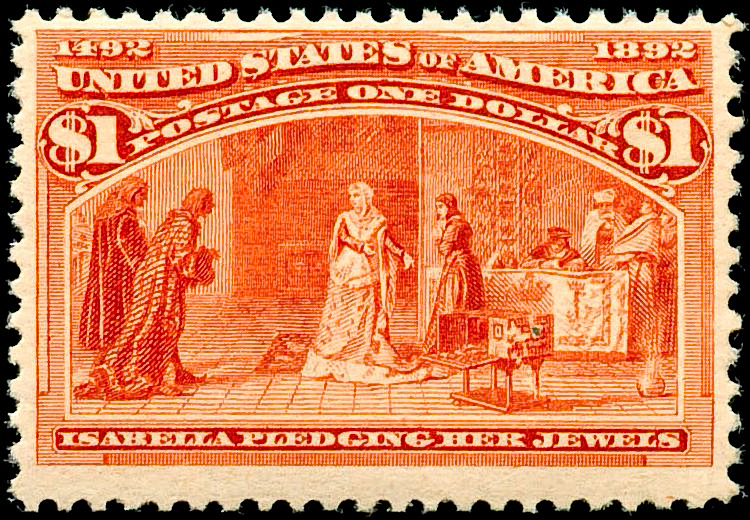
- Design. Definitives are simple and repeatable – an emblem, a portrait, a building, a symbol of the post itself. Commemoratives are illustrative and specific to one occasion.
- Denominations. A definitive belongs to a series covering many values, from the smallest to the largest. A commemorative usually appears in one or two values matched to a common rate.
- Size and shape. Definitives are small, because they were printed in enormous quantities. Commemoratives are often larger and sometimes an unusual format.
- Time in use. If the same design exists across several years with small differences, it is a definitive series.
Why definitives are harder than they look
A design printed for a decade is not one stamp. Over its life the paper changes, the perforation changes, the printing method changes, the shade drifts and sometimes the gum changes too – and each of those makes a separate catalogue entry. Collecting a definitive series properly therefore means measuring rather than looking: perforation as described in the guide to perforation, watermark as in the guide to watermarks. That is real work, and it is why serious collections are so often built on the plainest material.
Why commemoratives look attractive and behave the opposite way
Commemoratives were bought by collectors on the day of issue and kept. That is why they survive in quantity, in mint condition, and why a full set from decades ago is usually easy to complete. It also explains the gap that surprises people: genuinely used commemoratives on ordinary mail can be scarcer than mint ones, because the same stamps were mostly saved rather than posted – the state distinction covered in the guide to mint versus used.
Three neighbours worth knowing
- Airmail. A separate purpose rather than a separate category of design, and catalogued in its own sequence in many countries.
- Semi-postal. A surcharge above the postage goes to a cause; the extra value is printed on the stamp itself.
- Postage due. Not sold to senders at all – applied by the post office when postage was missing, and consequently scarce used on cover.
How the balance looks in an archive
The open archive holds 80,472 stamp images from 271 countries and territories, and the type labels show how thin some of these categories are compared with the general mass: 1,595 images marked as definitives, 513 as commemoratives, 851 airmail, 409 semi-postal and 256 postage due. The proportions matter less than the lesson behind them – most stamps are simply the everyday kind, which is exactly where the unexplored material is.
Open the catalogue: world stamps, Soviet stamps.
Which to collect
- For a finishable goal, take one commemorative set – short, defined, visibly complete.
- For depth, take one definitive series and work through its printings; it costs little and never runs out.
- For a story, take definitives on cover, where ordinary rates and routes carry the interest, as in the guide to postal history.
Quick answers
What is a definitive stamp?
An everyday issue kept in stock and reprinted for years, covering many denominations.
What is a commemorative?
A short issue for one occasion, sold for weeks and usually saved by collectors.
Which is harder to collect?
Definitives, because a long-running design hides many printings, perforations and papers.
Why are used commemoratives scarce?
They were bought and kept rather than posted, so genuine postal use survives less.